
PTSD
Published
Understanding PTSD
Post-Traumatic Stress Disorder (PTSD) is what can happen when someone goes through a deeply frightening or distressing event. Whether they were directly involved or saw it happen to someone else, the experience "shocks" the system.
While most people feel shaken after a trauma, PTSD is different because the feelings don't fade away on their own. Instead, the brain stays on high alert, as if the event is still happening or could start again at any second.
Common signs of PTSD:
Reliving the moment: Having "flashbacks" (feeling like you’re back there) or vivid nightmares that feel incredibly real.
Being "on edge": Feeling jumpy, irritable, or constantly looking out for danger.
Avoiding reminders: Steering clear of certain places, people, or even conversations that bring back memories of what happened.
Heavy thoughts: Feeling overwhelmed by worry, guilt, or a low mood that just won't lift.
Think of it like this: It’s as if your internal "alarm system" has become jammed in the "ON" position. It’s exhausting and makes daily life—like work or seeing friends—feel like a massive uphill struggle.
When does it become PTSD?
If these feelings carry on for more than a month and make it hard to cope with everyday life, that is usually when a GP or professional will step in to help. The good news is that with the right support, that "alarm system" can be reset
Therapists who work with PTSD
 Alexandra Brown
 Chantal Francis
 Charlotte Smith
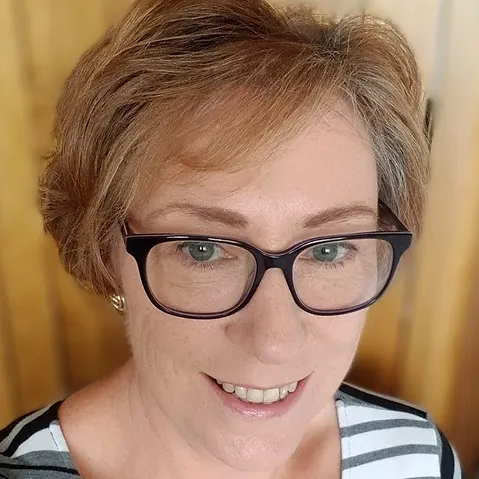 Debbie Elspie
 Denise Freeman
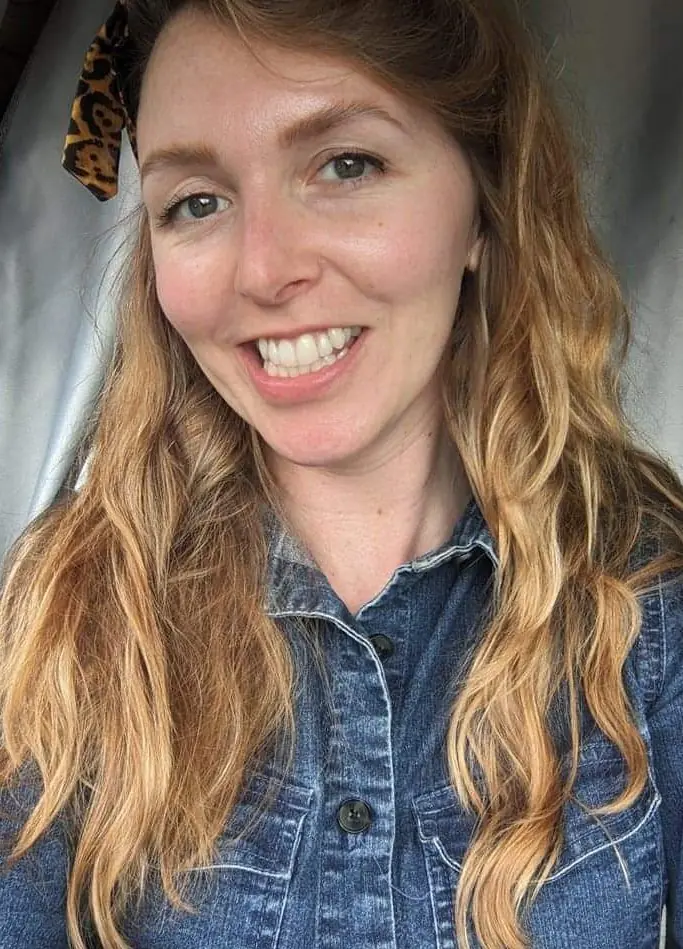 Dr George Capone
 Dr Joanne Livingston
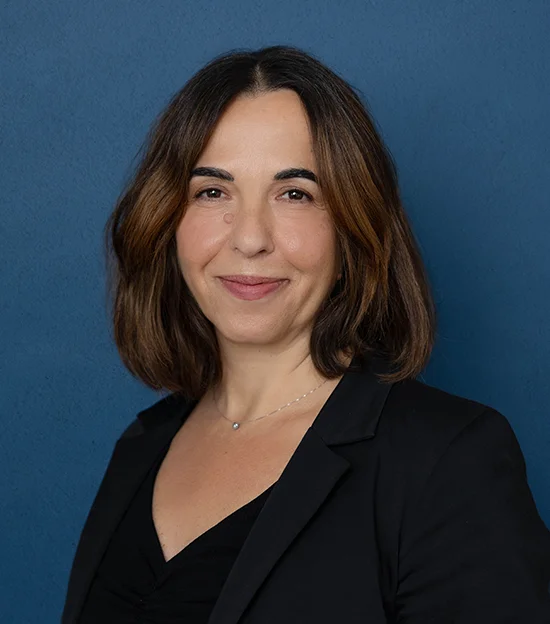 Dr Katja Simoncelli
 Dr Rachel Densham
 Elizabeth Shorts
 Esme Coss
- Eva Koukoura
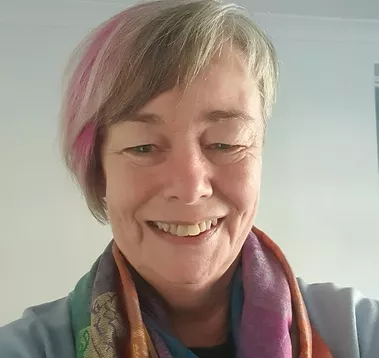 Fiona Hewkin
 Gemma Grainger
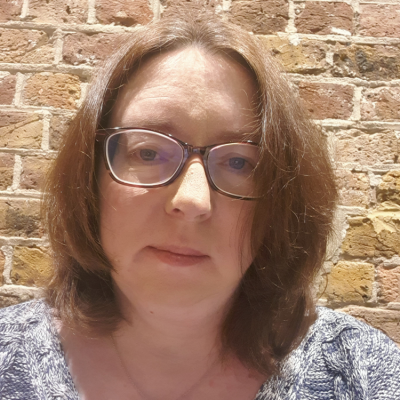 Julie Reynolds
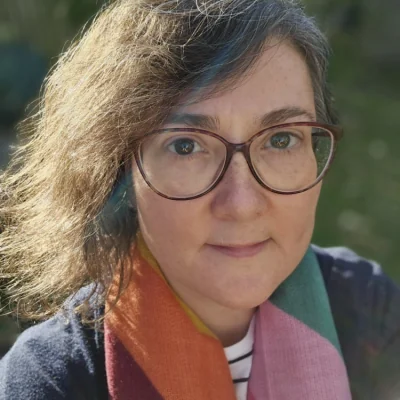 Lucy Wainwright
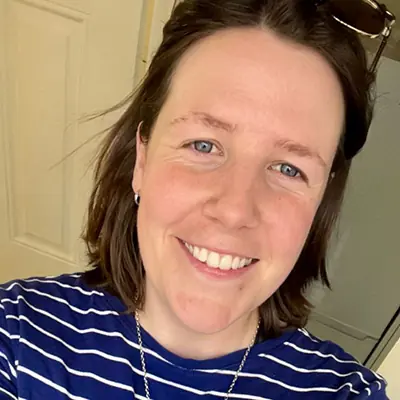 Naomi Fern
 Naomi Murphy
- Ruslana Parandii
 Sophie Bolam
 Tracey Worrall