
Family & Relationships
Published
Relationship difficulties can show up in many forms — conflict with a partner, tension with family, separation, or feeling stuck in patterns you keep repeating alone or together.
Counselling can offer a calmer space to understand what is happening, what you need, and what might help next. Some therapists work with couples; others support individuals while a relationship is under strain.
If you are unsure where to start, reading about common concerns and what therapy can offer is often a helpful first step before choosing who to contact.
How to choose a therapist for family & relationships
Relationship difficulties can mean many things — conflict with a partner, tension with family, separation, or simply feeling stuck in patterns you keep repeating. Be clear in your own mind whether you want individual support, couples work, or both; profiles usually say who they work with.
For couples counselling, both people need to feel willing to attend — one therapist cannot “fix” a relationship alone. For individual therapy, you can explore your role in patterns, boundaries, and what you want to change, even if the other person is not ready for counselling.
Look for therapists who name relationships, couples work, or family issues on their profile. On an intro call, ask how they typically work with situations like yours and what a first few sessions might look like.
- Check whether the therapist offers couples sessions, individual sessions, or both.
- Ask about experience with your situation (conflict, betrayal, co-parenting, family estrangement, and so on).
- Notice whether you feel judged when you describe what is happening at home.
- Agree practical details early — frequency, cost, and confidentiality for couples work.
New to therapy? Read our gentle introduction. Browse therapists who work with family & relationships.
More specific areas of Family & Relationships
Therapists who work with Family & Relationships
 Alicja Ligeza
 Amy Walshe
 Chantal Francis
 Charlotte Smith
 Christina Marsden
 Denis McVey
 Denise Freeman
 Dr George Capone
 Dr Joanne Livingston
 Dr Nikita Sharma
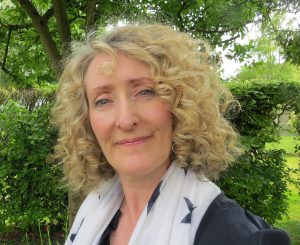 Elizabeth Garret
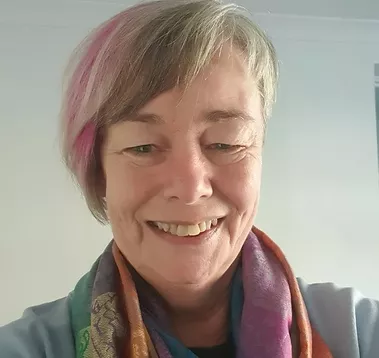 Fiona Hewkin
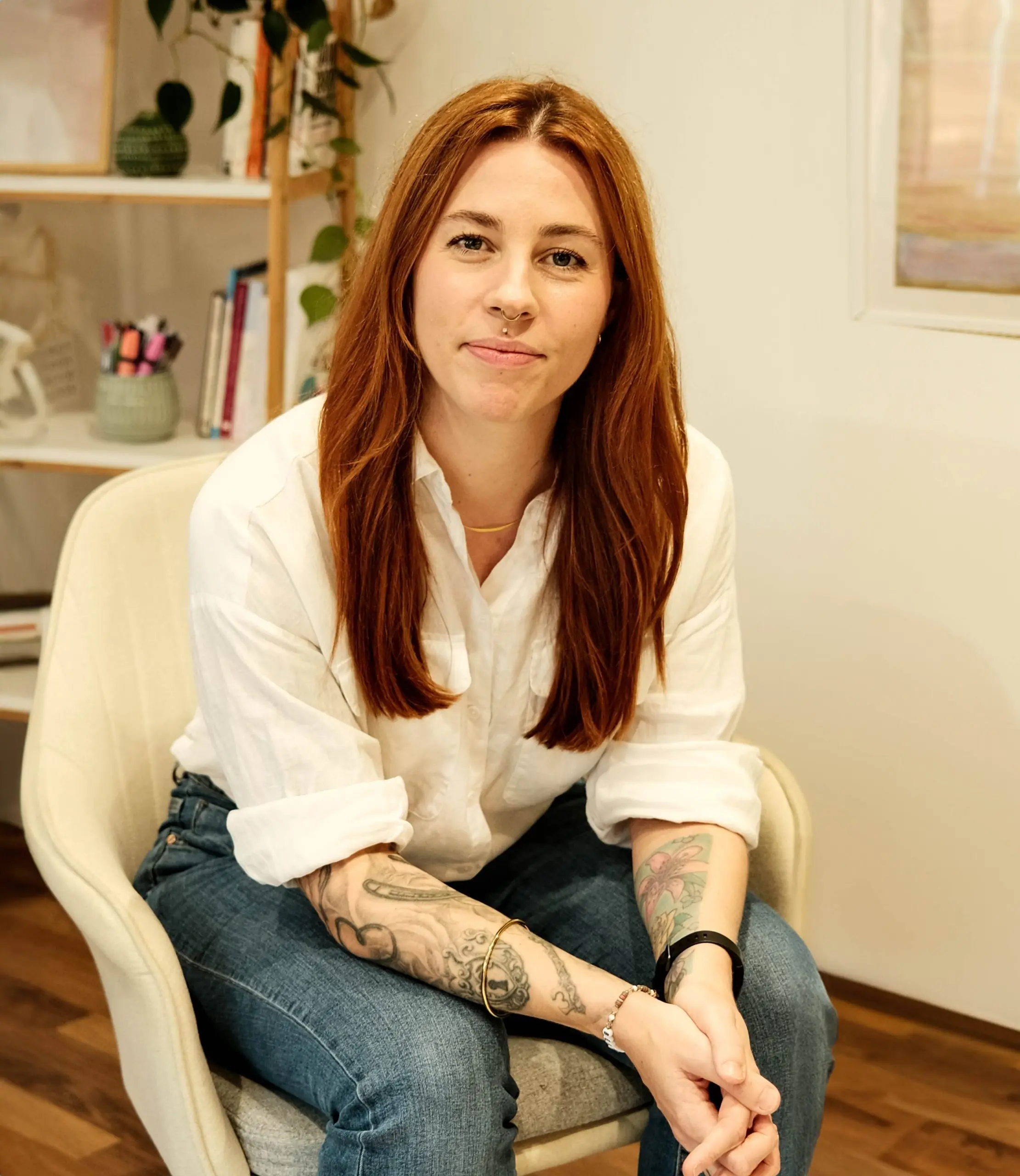 Holly Ibbs
 Jemma Dennis
 Leo Puttock
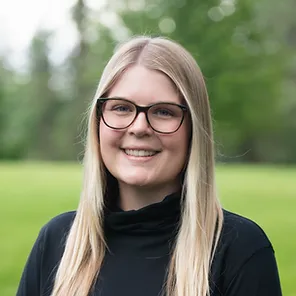 Malory Lund
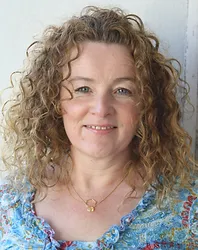 Mary Cahir
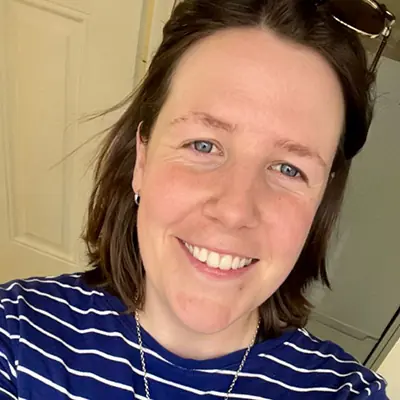 Naomi Fern
 Naomi Murphy
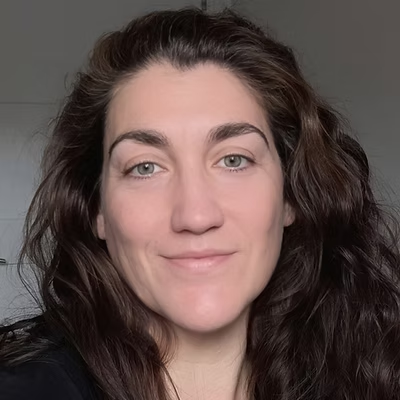 Roxanna Anderson
- Ruslana Parandii
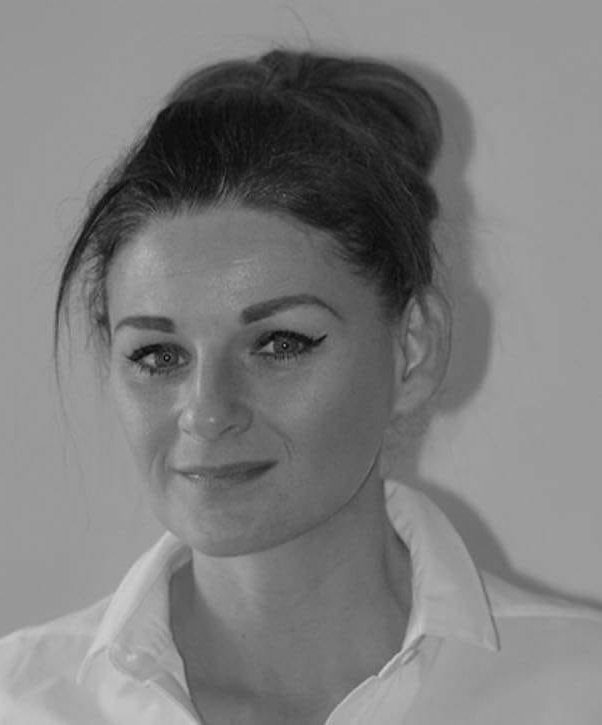 Ruth Dixon
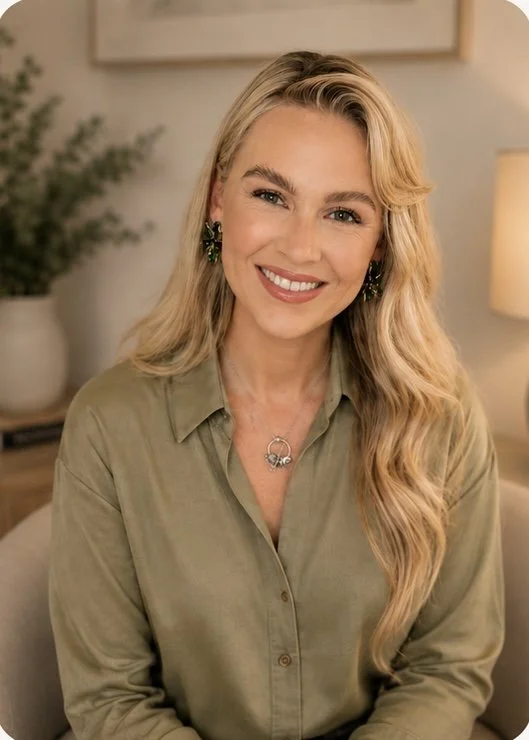 Sophie Bolam