
Depression
Published
According to the NHS, depression is more than simply feeling unhappy or fed up for a few days.
Most people go through periods of feeling down, but when you’re depressed you feel persistently sad for weeks or months, rather than just a few days.
Some people think depression is trivial and not a genuine health condition. They’re wrong – it is a real illness with real symptoms. Depression is not a sign of weakness or something you can “snap out of” by “pulling yourself together”.
As they also say there is good news.
With the right treatment and support, most people with depression can go on to make a full recovery.
How to choose a therapist for depression
When mood is low, even searching for a therapist can feel exhausting. Start small: pick two or three profiles that feel readable and human, rather than trying to compare everyone on the site.
Therapists who work with depression often draw on approaches such as CBT, psychodynamic therapy, or humanistic counselling. What tends to matter most early on is whether you feel met with warmth rather than pressure to “fix” yourself quickly.
Ask directly about fees, waiting times, and whether they offer a free initial conversation. Depression can make decisions feel heavier — clear information reduces that load.
- Choose profiles that explain fees and session length plainly.
- Look for language that feels respectful, not cheerleading — you do not need toxic positivity.
- If energy is very low, online sessions can be easier to start with than travelling.
- If the first therapist is not the right fit after a few sessions, trying another is a sensible next step, not a failure.
New to therapy? Read our gentle introduction. Browse therapists who work with depression.
More specific areas of Depression
Therapists who work with Depression
 Alicja Ligeza
 Amber Archbold
 Amy Walshe
 Chantal Francis
 Charlotte Smith
 Christina Marsden
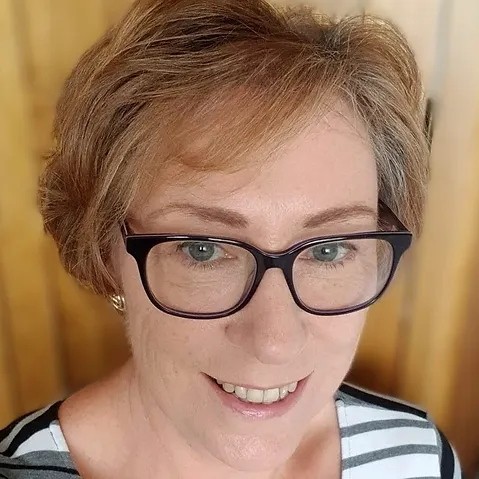 Debbie Elspie
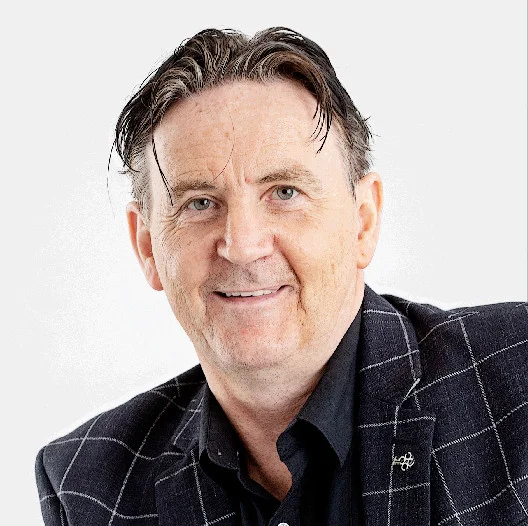 Denis McVey
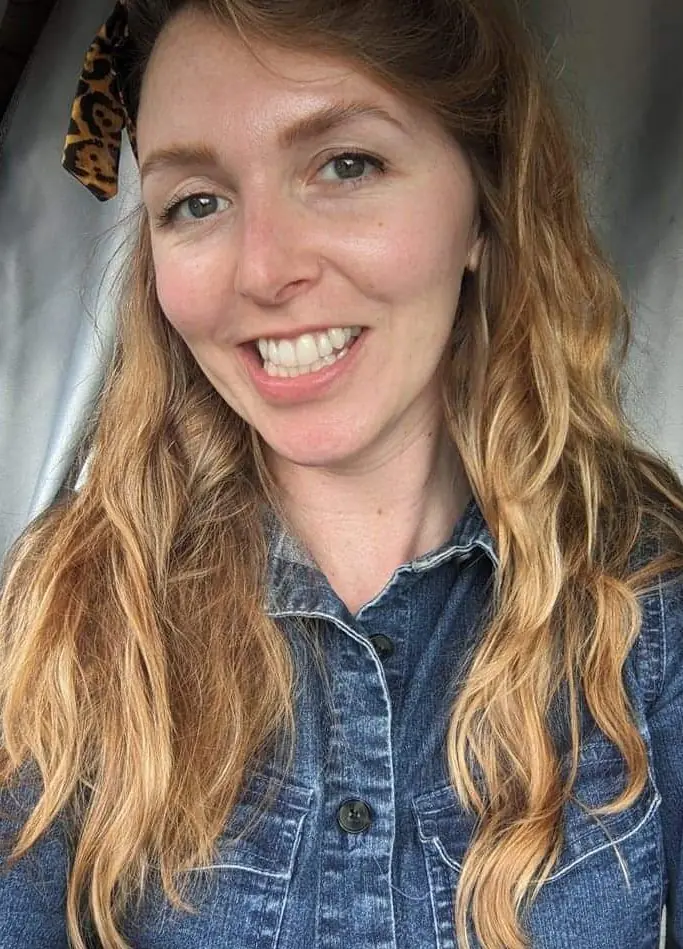 Dr George Capone
 Dr Joanne Livingston
 Dr Katja Simoncelli
 Dr Nikita Sharma
 Dr Rachel Densham
 Elizabeth Garret
 Emily McMahon
- Eva Koukoura
 Fiona Hewkin
 Gemma Grainger
 Holly Ibbs
 Jane Bloggs
 Jemma Dennis
 Julie Reynolds
 Kay Parkinson
 Kelly Watkins
 Leo Puttock
 Mary Cahir
 Naomi Fern
 Naomi Murphy
 Roxanna Anderson
- Ruslana Parandii
 Samantha Lapping
 Sophie Bolam