
Anxiety
Published
Anxiety is the body’s natural response to stress, a psychological and physiological "alarm system" that is designed to help you navigate perceived threats. While it often feels like an unwelcome guest, it is actually rooted in the fight-or-flight response, where the brain signals the release of hormones like adrenaline to prepare you for action.
In everyday life, this can show up as a persistent feeling of apprehension, physical tension, or a "racing" heart. While occasional anxiety is a normal part of the human experience (like before a big presentation), it becomes a concern when the intensity of the worry is disproportionate to the actual situation or begins to interfere with daily functioning.
How to choose a therapist for anxiety
Choosing a therapist for anxiety is less about finding the “best” name on a list and more about finding someone you feel safe enough to be honest with. Many people worry they will not know what to say in a first email — that is normal, and a good therapist will help you find the words.
Look for practitioners who list anxiety, generalised anxiety, or related concerns in their profile. Approaches such as CBT, person-centred counselling, and integrative therapy are commonly used for anxiety, but the relationship often matters as much as the modality.
Fees, session format (in person or online), and availability should be clear before you commit. Many therapists offer a brief intro call — use it to notice whether you feel listened to, not interrogated.
- Read the full profile, not just the photo — qualifications, fees, and how to contact them should be upfront.
- Notice whether they mention experience with the kind of anxiety you recognise (worry, panic, health anxiety, social anxiety, and so on).
- Trust your gut on the intro call: calm and clear beats impressive jargon.
- It is fine to try more than one therapist before you settle — fit is part of the work.
New to therapy? Read our gentle introduction. Browse therapists who work with anxiety.
More specific areas of Anxiety
Therapists who work with Anxiety
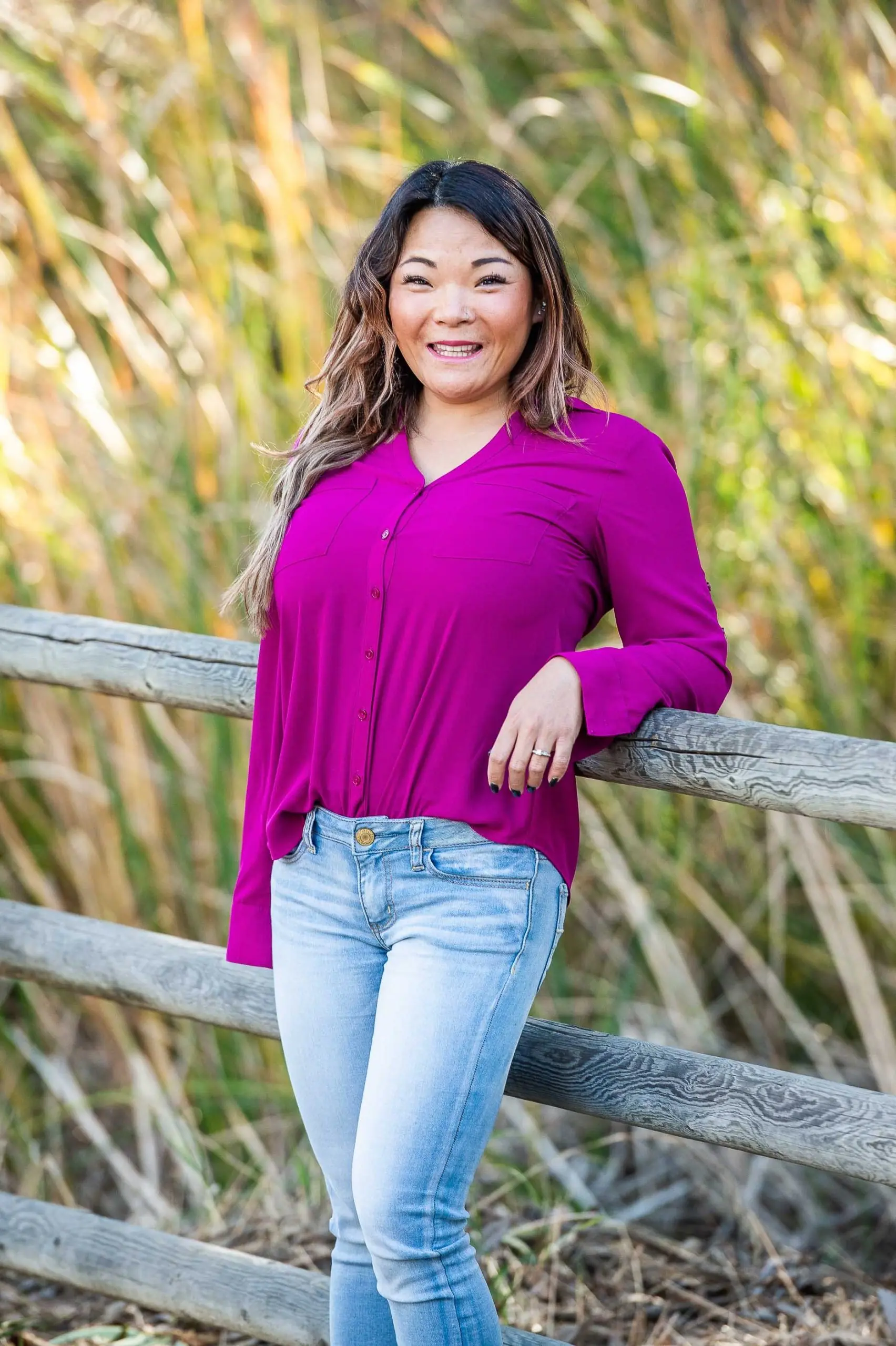 Alexandra Brown
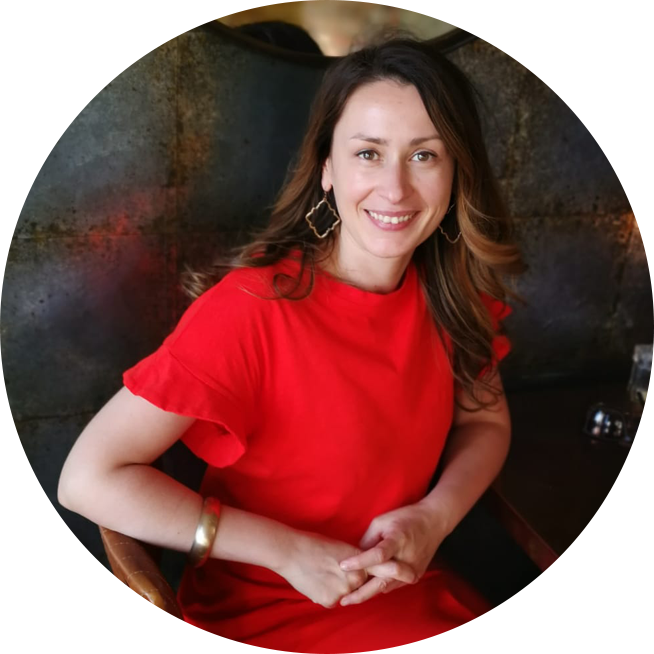 Alicja Ligeza
 Amber Archbold
 Amy Walshe
 Chris Sergeant
 Christina Marsden
 Claire Shaw
 Debbie Elspie
 Denise Freeman
 Dr George Capone
 Dr Joanne Livingston
 Dr Katja Simoncelli
 Dr Nikita Sharma
 Dr Rachel Densham
 Elizabeth Garret
 Emily McMahon
- Eva Koukoura
 Fiona Hewkin
 Gemma Grainger
 Giorgia Bettili
 Holly Ibbs
 Jemma Dennis
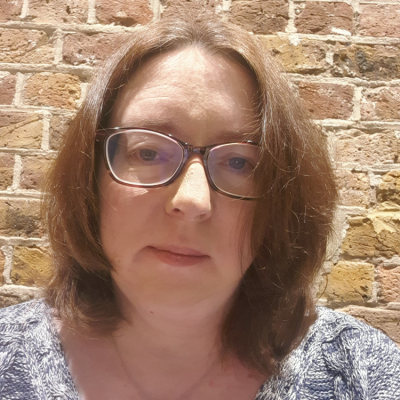 Julie Reynolds
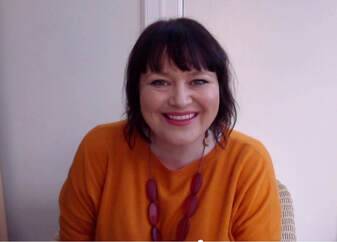 Katherine Nickoll
 Kay Parkinson
 Kelly Watkins
 Leo Puttock
 Liselotte McQuien
 Mary Cahir
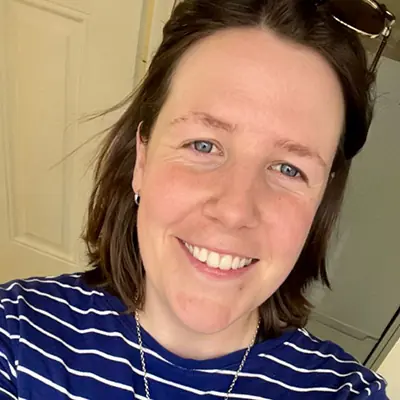 Naomi Fern
 Naomi Murphy
 Roxanna Anderson
- Ruslana Parandii
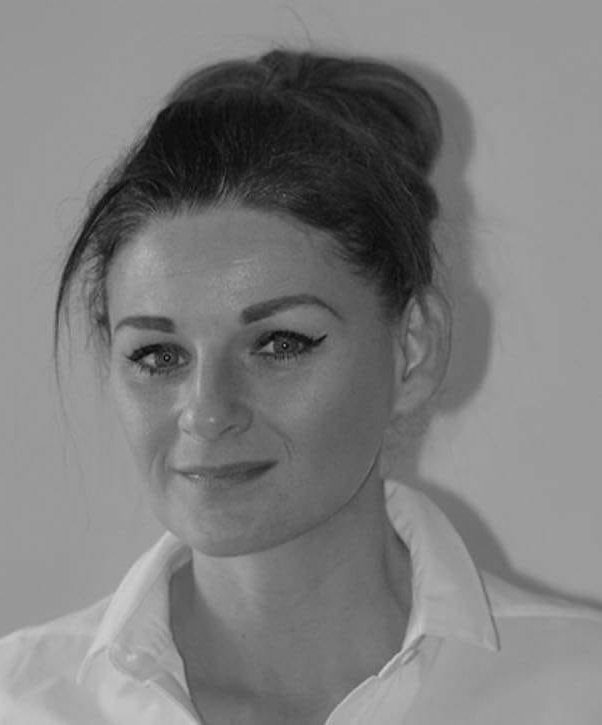 Ruth Dixon
 Samantha Lapping
 Sophie Bolam
 Tracey Worrall